
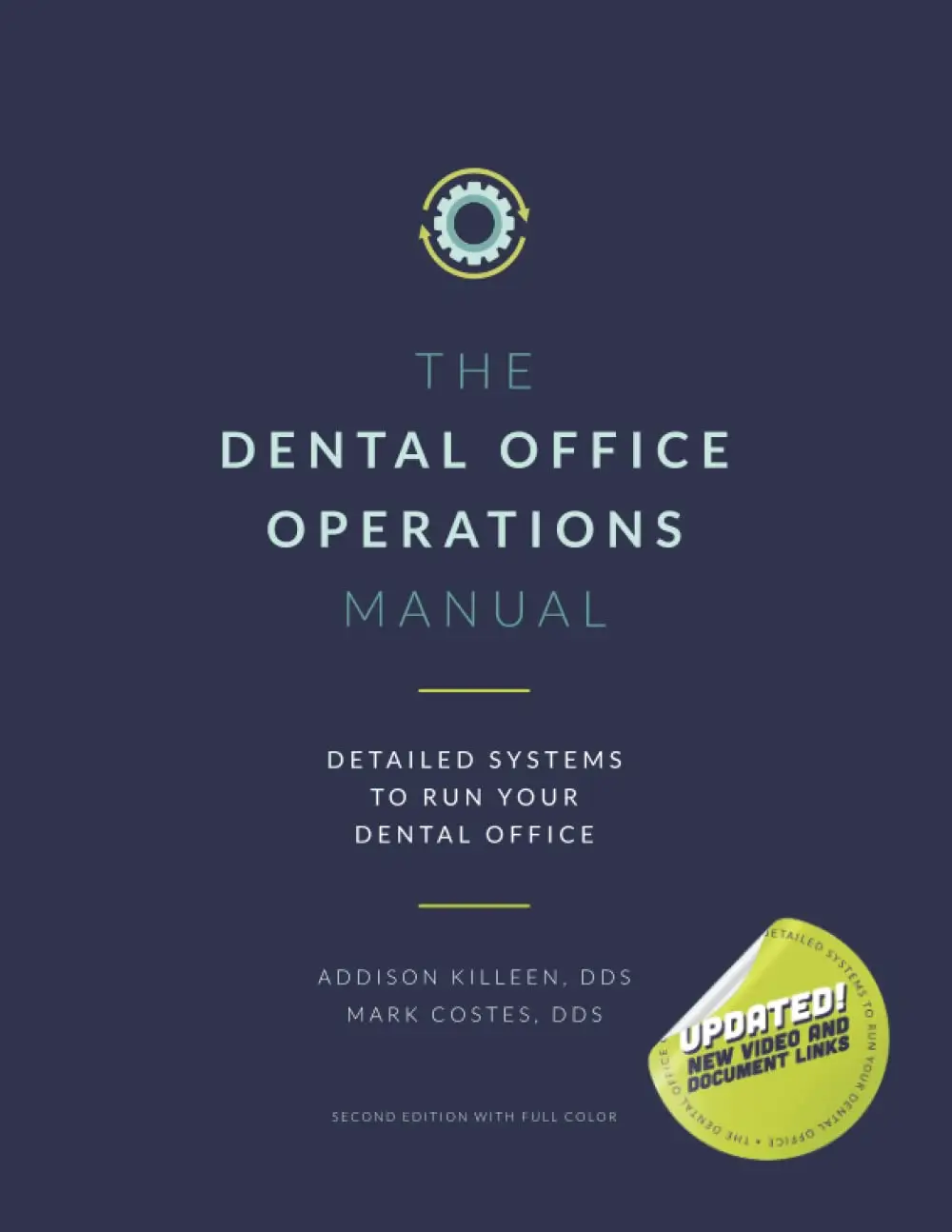
Description
Operation Manual – Book Description
Affiliate Marketing
An efficient operation is the foundation of every successful organization. Whether you manage a startup, a small business, a growing company, a healthcare facility, a retail store, a manufacturing unit, or a large corporation, well-designed operational systems determine how effectively your business performs every day. Operation Manual is a comprehensive guide created for business owners, managers, supervisors, team leaders, entrepreneurs, administrators, and professionals who want to establish standardized procedures, improve operational efficiency, reduce errors, and build sustainable business systems.
This practical manual serves as a complete reference for developing, implementing, and maintaining efficient operational processes across various industries. Rather than focusing on a single business sector, the book introduces universal operational principles that can be adapted to organizations of all sizes. From daily workflow management and staff responsibilities to quality control, risk management, customer service, and performance improvement, Operation Manual provides structured guidance for creating reliable systems that support long-term organizational success.
Operations are much more than completing daily tasks—they represent the coordinated processes that keep an organization running smoothly. Every department, employee, procedure, and decision contributes to overall operational performance. This manual explains how standardized operating procedures (SOPs) improve consistency, productivity, accountability, and customer satisfaction while reducing unnecessary delays, operational risks, and costly mistakes.
One of the primary objectives of this book is helping organizations build clear and repeatable workflows. Readers will learn how to document procedures, define responsibilities, establish operational standards, and ensure every team member understands their role within the organization. Clear documentation minimizes confusion, improves communication, and allows businesses to scale more efficiently as they grow.
Leadership plays a significant role in operational success, and this manual explores how managers can develop strong operational cultures through effective planning, delegation, supervision, coaching, and performance monitoring. Readers will discover practical leadership techniques that improve teamwork, employee engagement, accountability, and overall operational excellence.
Effective communication remains one of the most important components of successful operations. The book explains how structured internal communication improves coordination between departments, reduces misunderstandings, and supports faster decision-making. Readers will learn how meetings, reports, digital communication platforms, and documentation contribute to smooth organizational operations.
Time management and productivity optimization receive significant attention throughout the manual. Businesses often lose valuable resources due to inefficient processes, poor scheduling, duplicated work, and unclear priorities. This guide provides proven strategies for improving workflow efficiency, eliminating operational bottlenecks, maximizing productivity, and creating systems that save both time and resources.
Quality management is another major focus of Operation Manual. Customers expect consistent products and services regardless of who performs the work. Readers will learn how quality control systems, operational checklists, performance standards, inspections, and continuous monitoring help maintain high-quality outcomes while protecting organizational reputation.
Risk management is equally important in every business operation. Unexpected events such as equipment failures, supply chain disruptions, cybersecurity threats, regulatory changes, employee turnover, and financial challenges can significantly impact organizational performance. This manual introduces practical frameworks for identifying operational risks, developing contingency plans, minimizing disruptions, and maintaining business continuity.
Technology continues to transform modern operations, and this book explores how digital tools, cloud software, automation, artificial intelligence, project management systems, workflow applications, and data analytics improve efficiency across departments. Readers will understand how organizations can adopt technology responsibly while maintaining security, compliance, and operational reliability.
Human resource operations also play an essential role in organizational performance. This guide explains employee onboarding, training procedures, role assignments, performance evaluations, workplace policies, disciplinary procedures, and professional development strategies that contribute to a productive workforce. Standardized HR operations ensure fairness, consistency, and compliance throughout the organization.
Customer service operations receive dedicated attention because customer satisfaction directly influences business growth. Readers will discover how operational systems support excellent customer experiences through efficient communication, complaint resolution, order management, service delivery, follow-up procedures, and continuous improvement initiatives.
Inventory management, procurement, vendor relationships, logistics, and supply chain operations are also discussed. Organizations that effectively manage resources reduce operational costs while improving service quality and delivery performance. This manual explains how inventory control systems, purchasing procedures, supplier evaluations, and logistics planning contribute to operational success.
Financial operations form another critical component of organizational management. Readers will gain an understanding of budgeting, expense tracking, financial controls, operational reporting, resource allocation, and internal accountability systems that strengthen organizational stability and decision-making.
Compliance and regulatory requirements are increasingly important across industries. This manual emphasizes documentation, record keeping, workplace safety, data protection, legal compliance, ethical business practices, and internal auditing procedures that help organizations operate responsibly while reducing legal and operational risks.
Continuous improvement remains one of the central themes throughout the book. Successful organizations regularly evaluate existing processes, measure performance, identify inefficiencies, and implement improvements based on measurable results. Readers will learn practical methods for conducting operational reviews, collecting performance data, analyzing key performance indicators (KPIs), and building a culture of ongoing improvement.
Inside this comprehensive guide, readers will explore:
- Fundamentals of Operations Management
- Standard Operating Procedures (SOPs)
- Workflow Design & Process Documentation
- Organizational Structure & Responsibilities
- Operational Planning
- Team Leadership & Supervision
- Communication Systems
- Time Management & Productivity
- Quality Assurance & Quality Control
- Risk Management & Business Continuity
- Human Resource Operations
- Customer Service Operations
- Procurement & Vendor Management
- Inventory Management
- Supply Chain & Logistics
- Financial Operations & Budgeting
- Performance Measurement & KPIs
- Compliance & Regulatory Standards
- Digital Transformation & Automation
- Artificial Intelligence in Operations
- Continuous Improvement Strategies
- Building Scalable Business Systems
Whether you operate a startup, manage a growing business, supervise daily operations, or lead a large organization, Operation Manual provides practical knowledge, structured systems, and proven operational strategies that improve efficiency, strengthen organizational performance, and support sustainable business growth.
By combining operational best practices, leadership principles, process optimization techniques, technology integration, and continuous improvement methodologies, this book serves as both a daily operational reference and a long-term management resource. It empowers organizations to build reliable systems, improve productivity, maintain quality, reduce operational risks, and achieve consistent success in today’s rapidly evolving business environment.


yjeqvfgytw –
hzojdvzmiulkzjkwmzkeozghnqxrjw