
Description
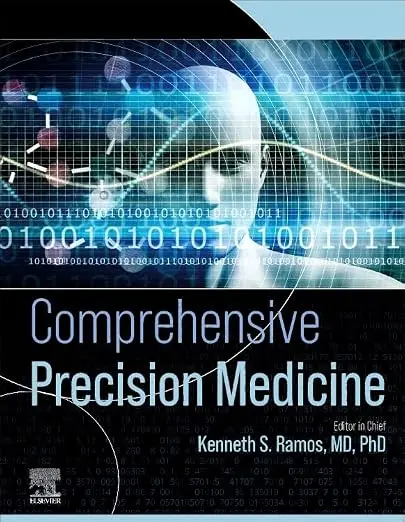
Comprehensive Precision Medicine
Affiliate Marketing
Comprehensive Precision Medicine is an extensive and informative resource dedicated to one of the most important and rapidly developing areas of modern healthcare. Precision medicine is transforming the traditional approach to healthcare by moving beyond a generalized treatment model and focusing on the unique characteristics of individual patients. By bringing together information from genetics, genomics, molecular biology, clinical medicine, pharmacology, diagnostics, bioinformatics, and other biomedical disciplines, precision medicine aims to support more individualized approaches to disease prevention, diagnosis, treatment, and patient care.
The concept of precision medicine is based on the understanding that patients can experience the same disease in very different ways. Differences in genetic background, molecular characteristics, environmental exposure, lifestyle, age, and other biological factors can influence disease development and treatment response. Understanding these differences can provide researchers and healthcare professionals with additional information for making more informed clinical and research decisions.
Comprehensive Precision Medicine explores the scientific foundations behind this evolving approach and examines how advances in biomedical research are contributing to the development of increasingly personalized healthcare strategies. The book provides a broad perspective on the technologies, concepts, applications, opportunities, and challenges associated with precision medicine.
One of the central areas of precision medicine is genomics. Modern sequencing technologies have made it possible to study genetic information at an unprecedented scale. Genomic information can help researchers investigate the biological mechanisms underlying diseases and identify genetic variations that may be associated with disease susceptibility or differences in treatment response. The book examines the importance of genomic information and its growing role in modern medical research and clinical practice.
Another important area is molecular diagnostics and biomarkers. Biomarkers can provide valuable information about biological processes, disease characteristics, or responses to treatment. Advances in molecular diagnostics are enabling researchers to investigate diseases at increasingly detailed levels, potentially supporting earlier detection, improved classification of disease, and more targeted therapeutic strategies.
The book also discusses pharmacogenomics, an area that examines how genetic differences can influence an individual’s response to medications. People may respond differently to the same medicine, and genetic variation can be one factor contributing to these differences. Understanding these relationships is an important component of the broader precision-medicine framework and may help researchers develop more individualized approaches to medication selection and treatment planning.
Cancer precision medicine represents another major application of this field. Cancer is not a single disease but a diverse collection of diseases with different molecular and genetic characteristics. Modern research increasingly uses genomic and molecular information to classify tumors and investigate potential therapeutic targets. Precision oncology demonstrates how detailed biological information can contribute to more personalized approaches to cancer research and care.
Beyond cancer, precision medicine has potential applications across numerous areas of healthcare. Researchers are investigating individualized approaches for cardiovascular diseases, neurological disorders, metabolic conditions, rare diseases, infectious diseases, and many other health conditions. The integration of patient-specific biological information with clinical data may provide new opportunities for understanding disease complexity and improving healthcare research.
The development of precision medicine also depends heavily on bioinformatics, computational biology, artificial intelligence, and large-scale healthcare data analysis. Modern biomedical research generates enormous quantities of genomic, molecular, imaging, and clinical data. Advanced computational methods can help researchers organize, analyze, and interpret these complex datasets. The book highlights the importance of data-driven approaches in understanding relationships between biological characteristics and clinical outcomes.
A major theme of precision medicine is the integration of multiple types of information. Genetic information alone may not provide a complete picture of an individual’s health. Researchers increasingly consider genomic data alongside molecular profiles, clinical characteristics, environmental factors, lifestyle information, and other relevant datasets. Integrating these different sources of information can help create a more comprehensive understanding of disease and patient variability.
Comprehensive Precision Medicine also provides an opportunity to understand the relationship between basic biomedical research and clinical application. Discoveries made in laboratories must often pass through multiple stages of validation before they can be translated into routine healthcare. This process requires collaboration among scientists, clinicians, researchers, data specialists, diagnostic experts, pharmaceutical researchers, and other professionals.
The book is also relevant to the discussion of preventive and predictive healthcare. Precision medicine is not limited to treating diseases after they occur. Researchers are exploring how genetic, molecular, and clinical information may contribute to identifying disease risk and supporting earlier interventions. Such approaches could eventually contribute to more proactive healthcare models in which prevention and early detection receive greater emphasis.
At the same time, the development of precision medicine presents significant scientific, technological, ethical, and practical challenges. The interpretation of complex genomic and clinical data can be difficult, and the quality of available data can influence research findings. Issues involving data privacy, informed consent, equitable access to advanced healthcare technologies, clinical validation, cost, and responsible use of patient information are also important considerations.
Another challenge is ensuring that advances in precision medicine benefit diverse populations. Genetic and clinical datasets need appropriate representation to make research findings broadly useful. Researchers and healthcare systems must therefore consider issues of diversity, accessibility, data quality, and responsible implementation when developing precision-medicine strategies.
The field is also closely connected to the future of drug discovery and therapeutic development. By identifying molecular pathways and potential biological targets associated with specific diseases, precision-medicine research can contribute to the development and evaluation of targeted therapies. It can also provide researchers with new ways to investigate why certain treatments may work differently across patient groups.
Emerging technologies continue to expand the possibilities of precision medicine. Advances in next-generation sequencing, multi-omics research, molecular profiling, artificial intelligence, machine learning, digital health technologies, and high-throughput biomedical analysis are creating new opportunities for researchers to study human health at increasingly detailed levels.
The book therefore provides a valuable foundation for understanding how multiple scientific disciplines are converging to shape the future of individualized healthcare. It demonstrates that precision medicine is not simply a single technology or treatment method but a broad, multidisciplinary approach involving genetics, biology, medicine, technology, data science, and patient-centered research.
Key Areas Explored
Comprehensive Precision Medicine covers or relates to a wide range of important topics, including:
– Foundations and principles of precision medicine
– Personalized and individualized healthcare
– Genomics and human genetic variation
– Molecular biology and disease mechanisms
– Genetic and genomic testing
– Biomarkers and molecular diagnostics
– Pharmacogenomics and individualized drug response
– Precision oncology and cancer genomics
– Disease prediction and risk assessment
– Preventive and personalized healthcare
– Bioinformatics and computational medicine
– Artificial intelligence and healthcare data analysis
– Multi-omics and integrated biological datasets
– Translational medicine and clinical research
– Targeted therapies and therapeutic development
– Rare disease research
– Clinical decision-making and patient-specific information
– Emerging technologies in biomedical research
– Ethical and privacy considerations
– Data management and interpretation
– Challenges in implementing precision medicine
– Future directions of personalized healthcare
Who Can Benefit From This Book?
This book can be useful for a wide range of readers interested in the science and future of individualized healthcare. It may be particularly relevant to medical students, healthcare professionals, biomedical researchers, life-science students, geneticists, molecular biologists, pharmacists, biotechnology researchers, clinical researchers, bioinformatics professionals, and academics working in related areas.
It can also serve as a useful reference for readers who want to develop a stronger understanding of how modern biomedical technologies are influencing healthcare research and clinical practice.
Why Precision Medicine Matters
Healthcare is increasingly moving toward approaches that recognize the biological and clinical differences between individuals. The traditional model of treating patients according to broad disease categories remains important, but advances in molecular biology and data science are providing researchers with increasingly detailed information about individual patients and diseases.
Precision medicine seeks to use this information responsibly to support more informed approaches to prevention, diagnosis, and treatment. Its development represents an important intersection between scientific discovery and practical healthcare.
Comprehensive Precision Medicine offers readers an opportunity to explore this rapidly evolving field from a broad multidisciplinary perspective. By connecting genetics, molecular science, diagnostics, pharmacology, clinical research, data analysis, and emerging technologies, the book helps explain the scientific foundations behind the movement toward more personalized healthcare.
As biomedical research continues to advance, precision medicine is expected to remain an important area of scientific and clinical innovation. New discoveries in genomics, molecular diagnostics, artificial intelligence, computational biology, and data-driven healthcare may continue to expand what researchers and healthcare professionals can learn about disease and individual variation.
For students and professionals seeking to understand the changing landscape of modern medicine, Comprehensive Precision Medicine provides a valuable resource for exploring the principles, technologies, applications, challenges, and future possibilities associated with personalized healthcare.
Whether you are studying medicine or biomedical science, conducting research, working with healthcare data, exploring genomics and molecular diagnostics, or simply interested in the future of individualized healthcare, this book provides a broad and informative introduction to the rapidly developing world of precision medicine.
Affiliate Marketing


Reviews
There are no reviews yet.