
Description
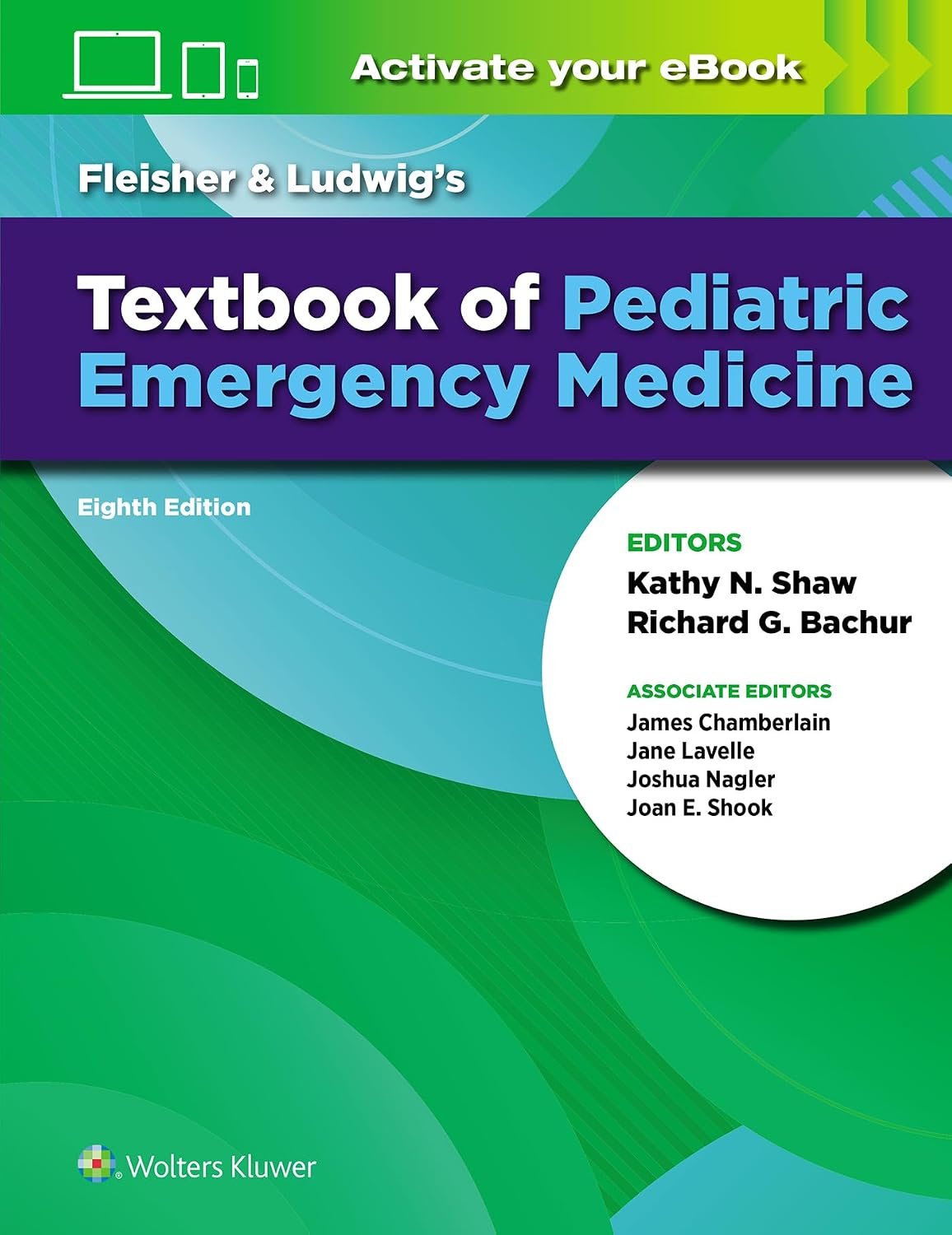
Fleisher & Ludwig’s Textbook of Pediatric Emergency Medicine
Fleisher & Ludwig’s Textbook of Pediatric Emergency Medicine is a comprehensive medical reference focused on the evaluation, diagnosis, and management of children and adolescents who require urgent or emergency medical care. Pediatric emergency medicine presents unique challenges because children can have different symptoms, physiological responses, communication abilities, and treatment considerations compared with adults. This textbook brings together a broad range of clinical knowledge to help healthcare professionals understand these differences and approach pediatric emergencies in a structured and evidence-informed manner.
The book covers the many types of acute medical conditions that can bring children to emergency departments and acute-care settings. Its subject matter encompasses common pediatric illnesses as well as serious and time-sensitive conditions requiring rapid recognition and appropriate intervention. Readers can explore approaches to patient assessment, clinical decision-making, diagnostic evaluation, treatment planning, monitoring, and follow-up.
A central focus of pediatric emergency medicine is recognizing potentially serious illness at an early stage. Children may not always be able to clearly communicate their symptoms, and important clinical changes can sometimes occur quickly. The textbook therefore emphasizes careful assessment and the interpretation of age-appropriate clinical findings. Understanding normal pediatric development and physiology is essential when evaluating vital signs, symptoms, physical findings, and responses to illness or injury.
The reference also addresses emergency care across different pediatric age groups, from infants and young children to older children and adolescents. Each age group can present distinctive clinical and communication challenges. Healthcare professionals must consider factors such as developmental stage, body size, medication dosing, family involvement, and the child’s ability to understand and cooperate with an examination or procedure.
In addition to medical emergencies, pediatric emergency medicine includes the assessment and management of injuries and other acute conditions. The book provides a broad framework for approaching patients with traumatic and non-traumatic presentations while emphasizing patient safety, appropriate evaluation, and timely decision-making. It can also help readers understand when additional investigations, specialist consultation, observation, or escalation of care may be necessary.
Another important aspect of the textbook is its attention to the family-centered nature of pediatric healthcare. Caring for a child in an emergency involves communicating effectively with parents or caregivers while also respecting the child’s developmental needs. Clear explanations, appropriate communication, reassurance, and careful coordination can contribute significantly to the overall quality of emergency care.
The book is intended as a valuable educational resource for pediatric emergency physicians, emergency medicine physicians, pediatricians, residents, medical students, nurses, and other healthcare professionals involved in the care of acutely ill or injured children. It can be useful for both foundational learning and clinical reference, particularly for readers seeking a broad understanding of pediatric emergency presentations and management principles.
Overall, Fleisher & Ludwig’s Textbook of Pediatric Emergency Medicine provides an extensive foundation for understanding emergency medical care in children. By combining pediatric-specific clinical principles with approaches to assessment, diagnosis, treatment, and patient safety, the text book helps readers develop a deeper understanding of the complexities of pediatric emergencies. It remains a useful reference for anyone studying or practicing healthcare in environments where rapid, thoughtful, and age-appropriate clinical decision-making is essential.
Reviews
There are no reviews yet.