
Description
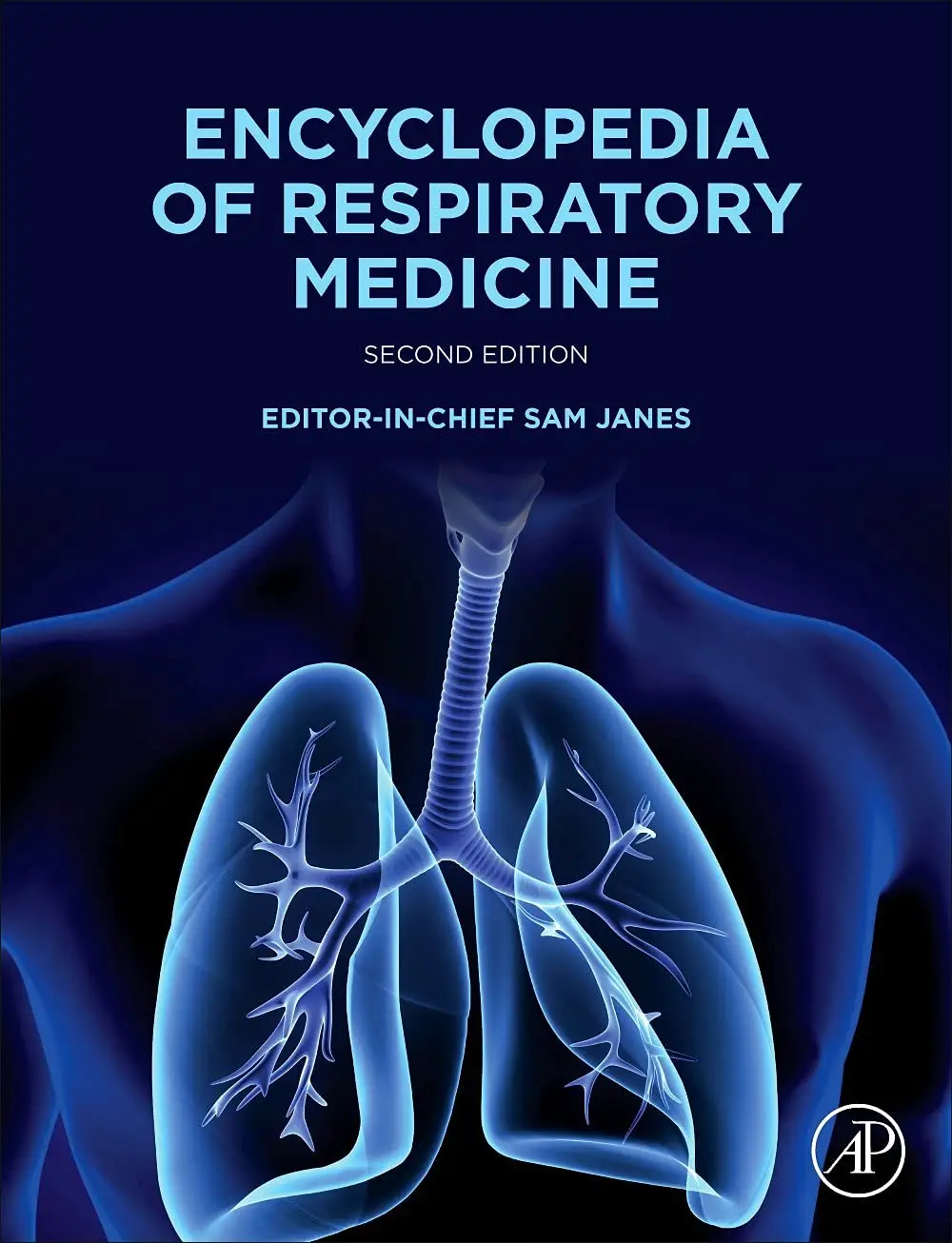
- Encyclopedia of Respiratory Medicine: A Comprehensive Guide to Respiratory Medicine and Pulmonary Health
Respiratory medicine is one of the most important areas of modern healthcare because the respiratory system plays a fundamental role in keeping the human body functioning properly. From breathing and oxygen exchange to the diagnosis and management of complex pulmonary disorders, respiratory medicine covers a broad and highly specialized field of medical knowledge.
For students, physicians, researchers, healthcare professionals, and readers interested in pulmonary medicine, having access to a reliable medical reference can make it easier to explore the terminology, concepts, diseases, diagnostic approaches, and developments associated with respiratory health. Encyclopedia of Respiratory Medicine is designed as an extensive reference resource for exploring the field of respiratory medicine and related areas of pulmonary science.
Rather than focusing on a single respiratory condition, an encyclopedia-style medical reference can provide a much broader perspective. Readers can use such a resource to explore different subjects within respiratory medicine, understand relationships between medical concepts, and develop a stronger foundation for further academic or professional research.
What Is Respiratory Medicine?
Respiratory medicine, also known as pulmonary medicine or pulmonology, focuses on the respiratory system and conditions affecting the lungs and airways. The field covers a wide range of topics involving breathing, lung function, respiratory diseases, diagnostic procedures, and medical management.
The respiratory system includes structures such as the nose, throat, airways, lungs, and other components involved in breathing. Because respiratory function is closely connected with other systems of the body, pulmonary medicine can also intersect with areas such as critical care, infectious diseases, oncology, immunology, cardiology, and sleep medicine.
This makes respiratory medicine an extensive subject for medical education and research.
Why a Respiratory Medicine Encyclopedia Can Be Valuable
Medical students and healthcare professionals often need to consult information from multiple sources. A comprehensive reference work can make that process more organized by bringing a large collection of relevant subjects together in one resource.
An encyclopedia can be particularly useful when someone wants to:
– Review respiratory medicine concepts
– Research pulmonary conditions
– Understand medical terminology
– Study respiratory physiology
– Explore diagnostic approaches
– Learn about developments in pulmonary medicine
– Support academic research
– Review topics for medical education
– Find references for further study
– Build a broader understanding of respiratory health
The exact usefulness of any book will depend on the reader’s background, learning objectives, edition, and the specific contents included in the publication.
Topics Related to Respiratory Medicine
Respiratory medicine encompasses a very large range of subjects. Depending on the scope of a particular reference work, readers may encounter discussions involving respiratory anatomy, physiology, diseases, diagnosis, treatment approaches, and research.
Common areas associated with pulmonary medicine include asthma, chronic respiratory diseases, respiratory infections, sleep-related breathing disorders, interstitial lung diseases, pulmonary vascular conditions, lung cancer, occupational lung diseases, and disorders affecting the airways.
Other areas may include pulmonary function testing, imaging, bronchoscopy, respiratory critical care, mechanical ventilation, oxygen-related therapies, and emerging research.
Because medical knowledge changes continuously, readers should pay attention to the edition and publication information of a medical reference before purchasing it.
A Useful Resource for Medical Students
Medical students are required to understand a wide variety of subjects during their education. Respiratory medicine can be challenging because it combines anatomy, physiology, pathology, pharmacology, clinical medicine, diagnostic methods, and evidence-based approaches.
A comprehensive reference book can provide an additional resource for students who want to explore topics beyond short classroom notes.
Students may use an encyclopedia-style resource for background reading, revision, research assignments, or exploring unfamiliar terminology. It can also help students identify subjects that they may want to study in greater depth using textbooks, academic papers, clinical guidelines, or other authoritative sources.
However, a reference book should complement—not replace—official coursework, qualified instructors, current clinical guidelines, and professional medical resources.
A Reference for Healthcare Professionals
Healthcare professionals frequently need to stay informed about developments in their fields. Respiratory medicine is particularly dynamic, with ongoing research into diagnostics, therapies, disease mechanisms, and patient management.
A comprehensive reference can serve as a convenient starting point when researching a particular concept or reviewing background information.
Professionals may also use specialized references alongside peer-reviewed research, institutional resources, medical databases, and current clinical guidelines.
For clinical decision-making, current evidence and applicable professional guidelines should always take priority over general reference material.
Respiratory Diseases and Pulmonary Conditions
The respiratory system can be affected by many different types of conditions. Some may primarily affect the airways, while others involve lung tissue, blood vessels, respiratory muscles, or other structures.
Examples of areas commonly studied in respiratory medicine include:
Asthma
Asthma is a chronic respiratory condition involving airway inflammation and variable airflow limitation. Understanding asthma can involve studying triggers, symptoms, airway physiology, diagnosis, and long-term management.
Chronic Obstructive Pulmonary Disease
Chronic obstructive pulmonary disease, commonly called COPD, is another major area of pulmonary medicine. Research and education in this field can include risk factors, disease mechanisms, diagnosis, symptoms, prevention, and management.
Respiratory Infections
Respiratory infections can affect different parts of the respiratory tract. Medical education in this area may cover infectious organisms, transmission, clinical presentation, diagnostic testing, prevention, and treatment principles.
Interstitial Lung Diseases
Interstitial lung diseases represent a broad group of disorders affecting lung tissue. Their diagnosis and classification can be complex, making them an important subject for specialized pulmonary education.
Sleep Medicine
Breathing-related sleep disorders are another important area connected with respiratory medicine. Sleep medicine may involve conditions that affect breathing patterns, oxygen levels, sleep quality, and daytime functioning.
Pulmonary Oncology
Lung cancer and other pulmonary tumors are important subjects within respiratory medicine and can overlap with oncology, radiology, pathology, surgery, and other medical specialties.
These examples demonstrate how broad the field of respiratory medicine can be.
Respiratory Diagnostics
Diagnosis is an essential part of pulmonary medicine. Healthcare professionals may use a variety of methods to evaluate respiratory health.
Depending on the clinical situation, respiratory assessment can involve medical history, physical examination, pulmonary function testing, imaging studies, laboratory tests, and specialized procedures.
Pulmonary function tests, for example, can provide information about how effectively the lungs are working. Imaging techniques can help visualize structures within the chest, while procedures such as bronchoscopy may provide additional information in selected circumstances.
A comprehensive respiratory medicine reference can help readers understand the purpose and general principles behind these diagnostic approaches.
Research and Advances in Respiratory Medicine
Respiratory medicine continues to evolve through scientific research. Researchers around the world investigate new diagnostic technologies, treatment approaches, disease mechanisms, prevention strategies, and ways to improve patient outcomes.
Advances in areas such as molecular medicine, imaging, digital healthcare, artificial intelligence, personalized medicine, and biotechnology may influence the future of pulmonary medicine.
For anyone studying this field, maintaining an awareness of new research is important because medical knowledge is continually updated.
Who Might Benefit From This Book?
An encyclopedia focused on respiratory medicine may be particularly relevant to:
– Medical students
– Physicians
– Pulmonology students
– Healthcare professionals
– Medical researchers
– Academic institutions
– Medical educators
– Biomedical science students
– Respiratory therapy learners
– Readers conducting academic research
The appropriate audience ultimately depends on the book’s depth, structure, edition, and intended level.
How to Choose a Medical Reference Book
Before purchasing a medical reference, it is useful to consider several factors.
First, check the edition and publication date. Medicine changes rapidly, and newer editions may contain updated information.
Second, examine the table of contents to determine whether the subjects you need are included.
Third, consider the authors and editors and their academic or professional backgrounds.
Fourth, check whether the book contains references, illustrations, tables, indexes, and additional resources that may support your learning.
Finally, consider whether the book is appropriate for your educational level. A highly specialized reference may be excellent for researchers or professionals but unnecessarily advanced for someone who is only beginning to study biology or healthcare.
Why Explore Encyclopedia of Respiratory Medicine?
If your academic or professional interests involve pulmonary medicine, respiratory diseases, lung health, or respiratory research, an extensive reference resource can provide a useful foundation for exploring the subject.
Encyclopedia of Respiratory Medicine can be explored as a specialized reference for readers who want to learn more about the broad world of respiratory medicine. Instead of concentrating on only one topic, an encyclopedia-style resource can help readers navigate a wide range of concepts within the discipline.
Whether you are reviewing respiratory medicine for academic purposes, researching a specific pulmonary topic, or building a broader medical reference collection, it may be worth examining the book’s current edition, contents, authorship, format, and availability before making a purchase.
Final Thoughts
Respiratory medicine is a broad and continually developing medical specialty. Understanding it requires knowledge of anatomy, physiology, pathology, diagnostics, clinical medicine, research, and many related disciplines.
A comprehensive reference such as Encyclopedia of Respiratory Medicine can be a useful addition to a medical or academic library, particularly for readers who need access to a broad range of respiratory-related subjects.
Before purchasing, always review the latest available edition and verify the publisher’s information, contents, publication details, and intended audience. For medical diagnosis or treatment decisions, readers should rely on qualified healthcare professionals and current clinical guidance rather than using a general reference book as a substitute for professional care.
If you are looking for an extensive resource to explore respiratory medicine and pulmonary science, Encyclopedia of Respiratory Medicine is a book worth researching further.
Affiliate Program


Reviews
There are no reviews yet.