
Description
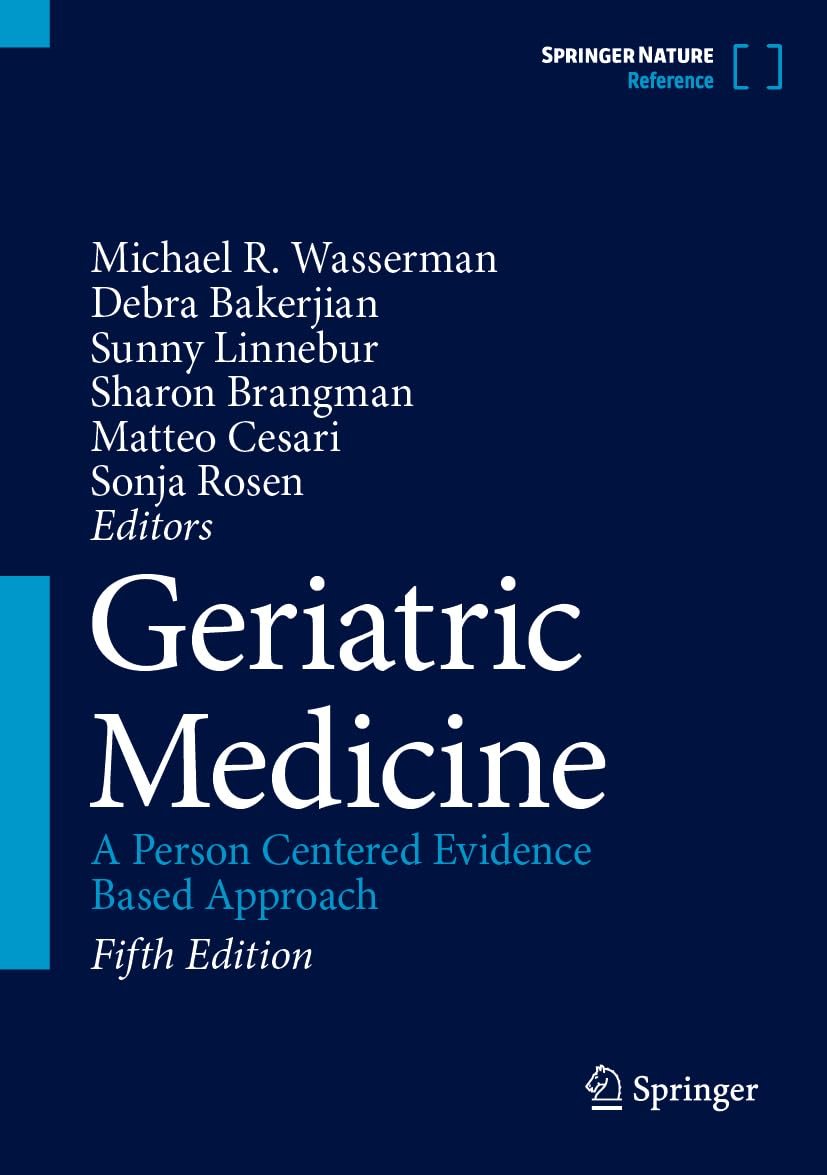
Geriatric Medicine
Geriatric Medicine is a comprehensive resource focused on the health, medical care, and overall well-being of older adults. As populations around the world continue to age, understanding the unique healthcare needs of older people has become increasingly important. Geriatric medicine addresses the complex physical, psychological, functional, and social factors that can influence health in later life and provides an important foundation for understanding the principles of caring for aging populations.
Unlike a single-disease approach, geriatric medicine recognizes that older adults may experience several health conditions at the same time. Age-related changes can also affect how diseases appear, how medications work, how patients recover from illness, and how healthcare decisions should be made. For this reason, caring for older adults often requires a broad and coordinated approach that considers the whole person rather than focusing on one condition alone.
This book explores the major principles and clinical considerations associated with the care of older adults. It provides readers with a broad perspective on aging, common health conditions in later life, geriatric assessment, medication management, functional health, cognitive health, prevention, rehabilitation, and multidisciplinary care.
One of the central concepts of geriatric medicine is healthy aging. Aging is a natural process, but the health experiences of older adults can vary considerably. Some individuals remain active and independent for many years, while others may develop multiple chronic conditions or experience changes in mobility, cognition, sensory function, or daily activities. Understanding these differences is essential for developing appropriate healthcare strategies.
Understanding the Aging Process
The book examines the biological and clinical aspects of aging and how age-related changes can influence health. Changes in the cardiovascular, respiratory, nervous, musculoskeletal, gastrointestinal, renal, endocrine, and immune systems can affect an individual’s health and response to illness.
Understanding these changes can help healthcare professionals distinguish between expected age-related changes and symptoms that may indicate an underlying medical condition. This distinction is particularly important because illnesses in older adults may sometimes present differently than they do in younger patients.
Comprehensive Geriatric Assessment
A major component of geriatric medicine is comprehensive geriatric assessment. Rather than evaluating only a patient’s immediate medical complaint, geriatric assessment considers multiple aspects of health, including physical condition, cognitive function, emotional well-being, mobility, nutrition, medication use, social circumstances, and ability to perform everyday activities.
This broader assessment can help identify problems that might otherwise be overlooked and can support the development of individualized care plans. It also emphasizes the importance of maintaining independence and quality of life whenever possible.
Common Health Conditions in Older Adults
Older adults may experience a wide range of chronic and acute health conditions. Geriatric medicine considers the prevention, recognition, evaluation, and management of many conditions that become particularly important in later life.
Topics within the broader field may include cardiovascular disease, respiratory disorders, diabetes, osteoporosis, arthritis, neurological conditions, sensory impairment, kidney disease, gastrointestinal disorders, and other age-associated health concerns.
The book provides an opportunity to understand these conditions within the wider context of aging rather than considering them in isolation.
Cognitive Health and Dementia
Cognitive health is another important area of geriatric medicine. Changes in memory, attention, reasoning, and other cognitive abilities can have significant effects on independence and daily life.
The field of geriatric medicine includes the assessment and management of cognitive impairment and conditions such as dementia. It also considers the importance of supporting patients, families, and caregivers while addressing the broader functional and social effects associated with cognitive disorders.
Medication Management and Polypharmacy
Medication management is particularly important in older adults. Many older patients take multiple medications for different health conditions, a situation commonly referred to as polypharmacy.
Age-related physiological changes can affect how medicines are absorbed, distributed, metabolized, and eliminated. Taking multiple medications can also increase the complexity of treatment and the possibility of interactions or unwanted effects.
Geriatric medicine therefore emphasizes careful medication review, appropriate prescribing, monitoring, and consideration of the individual’s overall health and treatment goals.
Mobility, Falls, and Functional Health
Maintaining mobility and independence is an important goal of geriatric care. Changes in strength, balance, vision, neurological function, or musculoskeletal health can affect an older person’s ability to move safely and perform everyday activities.
Falls are an important concern in older populations because they can have significant consequences for mobility, independence, and overall well-being. Geriatric assessment may therefore consider factors such as balance, medications, home environment, vision, physical function, and other potential contributors to fall risk.
The book highlights the broader importance of functional ability, emphasizing that successful healthcare for older adults involves more than treating diseases—it also involves supporting the person’s ability to live as independently as possible.
Nutrition and Healthy Aging
Nutrition is another important component of geriatric health. Older adults may experience changes in appetite, taste, digestion, mobility, or ability to prepare food. Certain medical conditions and medications can also influence nutritional status.
Understanding nutritional needs and identifying nutritional concerns can form an important part of comprehensive geriatric assessment. Supporting adequate nutrition can contribute to maintaining strength, functional ability, and overall health.
Mental and Emotional Well-Being
Geriatric medicine also recognizes the importance of psychological and emotional well-being. Older adults may experience significant life changes, changes in social circumstances, or challenges associated with chronic illness and reduced independence.
Healthcare professionals therefore need to consider mental and emotional health alongside physical health. A comprehensive approach can help ensure that the individual’s healthcare needs are considered from multiple perspectives.
Rehabilitation and Maintaining Independence
Rehabilitation can play an important role in helping older adults maintain or regain functional abilities following illness, injury, hospitalization, or other health challenges.
Geriatric care often involves collaboration between physicians, nurses, physical therapists, occupational therapists, pharmacists, nutrition professionals, social workers, caregivers, and other members of the healthcare team.
This multidisciplinary approach can help address the complex and interconnected needs of older adults.
Preventive Geriatric Care
Prevention remains important throughout later life. Preventive healthcare may include appropriate screening, vaccination, nutrition support, physical activity, medication review, management of chronic conditions, fall-risk assessment, and other strategies designed to support health and independence.
Geriatric medicine emphasizes that healthcare should not focus exclusively on treating existing diseases. Preventive strategies can also help support functional health, quality of life, and long-term well-being.
Patient-Centered Care
One of the defining principles of modern geriatric medicine is patient-centered care. Older adults have different priorities, goals, values, abilities, and personal circumstances. Therefore, healthcare decisions should consider the individual rather than relying solely on age or the presence of a particular disease.
Patient-centered geriatric care may involve discussing treatment goals, functional priorities, quality of life, preferences, and the potential benefits and burdens of different healthcare approaches.
Multidisciplinary Approach
Older adults with complex health needs often benefit from coordinated care involving multiple healthcare professionals. Geriatric medicine encourages collaboration among different disciplines to create a more complete picture of the patient’s needs.
This approach can be especially valuable when medical, functional, psychological, and social factors interact with one another.
Key Areas Related to Geriatric Medicine
Geriatric Medicine provides a broad foundation for understanding topics such as:
– Principles of geriatric medicine
– Biology and physiology of aging
– Healthy and successful aging
– Comprehensive geriatric assessment
– Chronic disease management
– Cardiovascular health in older adults
– Respiratory health
– Neurological and cognitive health
– Dementia and cognitive impairment
– Mental and emotional well-being
– Medication management
– Polypharmacy
– Medication safety
– Mobility and functional ability
– Falls and fall prevention
– Osteoporosis and musculoskeletal health
– Nutrition and nutritional assessment
– Rehabilitation
– Preventive healthcare
– Patient-centered care
– Independence and quality of life
– Social and functional considerations
– Multidisciplinary healthcare
– Long-term care considerations
– Communication with older patients and caregivers
– Ethical considerations in geriatric healthcare
– Future challenges in an aging population
Who Can Benefit From This Book?
This resource can be valuable for medical students, nursing students, physicians, healthcare professionals, geriatric specialists, pharmacists, physiotherapists, occupational therapists, biomedical and health-science students, researchers, and other professionals interested in older-adult healthcare.
It may also be useful for readers seeking a stronger academic foundation in aging, chronic disease management, preventive care, functional health, and the multidisciplinary principles of geriatric medicine.
The Importance of Geriatric Medicine
The increasing number of older adults worldwide makes geriatric medicine an increasingly important area of healthcare. Longer life expectancy can bring new opportunities, but it can also create complex healthcare needs involving multiple conditions, medications, functional limitations, cognitive changes, and social circumstances.
Modern geriatric medicine therefore aims to look beyond simply increasing lifespan and also considers healthspan, independence, function, dignity, and quality of life.
Understanding the needs of older adults is essential for creating healthcare systems that can respond effectively to an aging population. Healthcare professionals need knowledge not only about individual diseases but also about how those diseases interact with aging, medications, mobility, cognition, nutrition, and everyday function.
Geriatric Medicine provides a valuable framework for exploring these interconnected areas. It introduces readers to the principles of comprehensive assessment, individualized care, prevention, rehabilitation, medication management, cognitive health, and multidisciplinary healthcare.
For anyone studying or working in healthcare, understanding geriatric medicine can provide important insight into one of the most significant challenges and opportunities facing modern medicine: helping people live longer while supporting health, function, independence, and quality of life throughout later life.
With its broad focus on aging and older-adult healthcare, Geriatric Medicine can serve as a useful educational and reference resource for exploring the science and practice of caring for an aging population.

Reviews
There are no reviews yet.