
Description
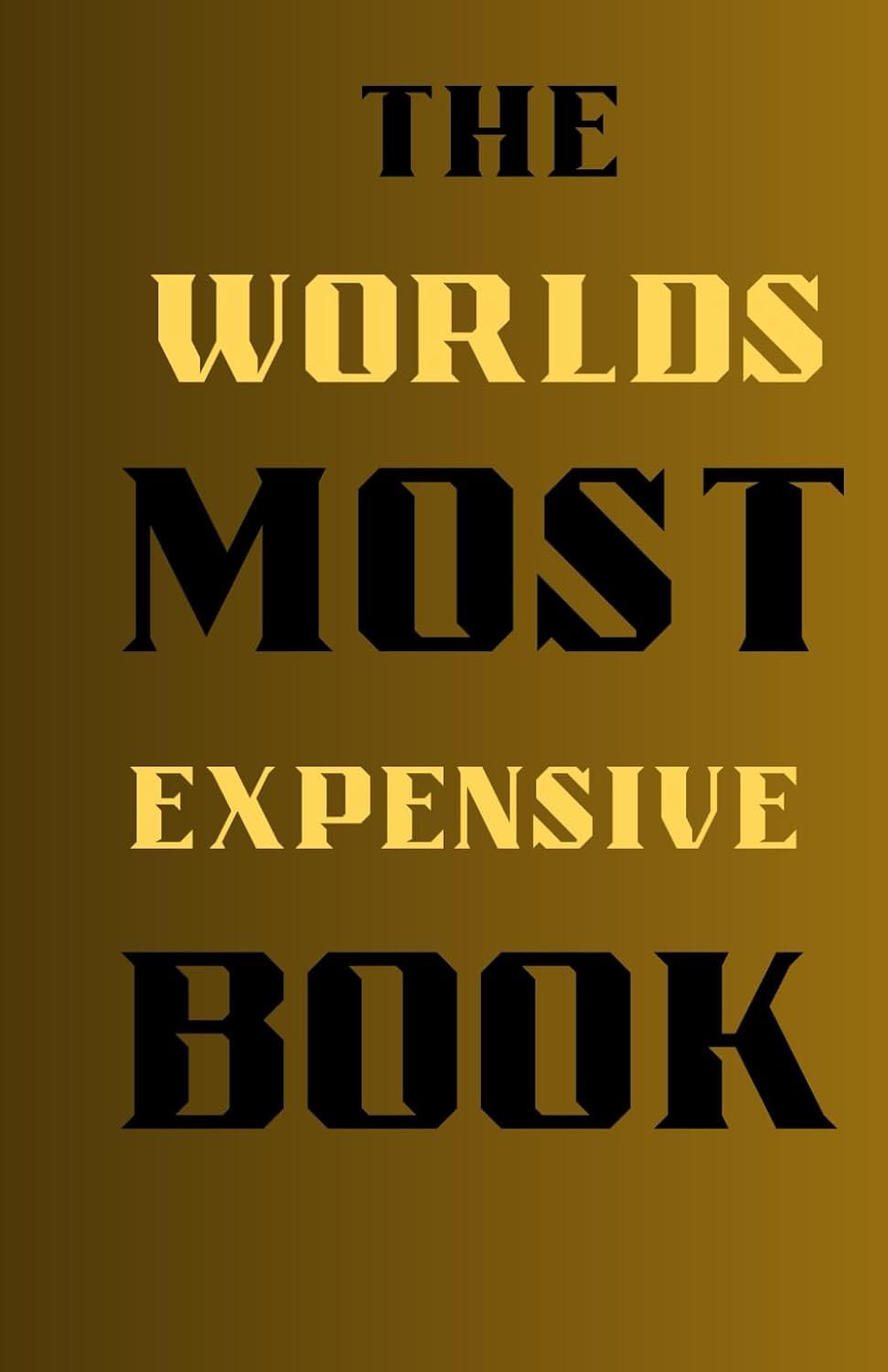
The World’s Most Expensive Book
The World’s Most Expensive Book is a fascinating exploration of the rarest, most valuable, and historically significant books ever created. This captivating book takes readers beyond the ordinary idea of a book as something made simply to be read and reveals how certain books can become extraordinary works of art, cultural treasures, historical records, and priceless collectibles. From ancient manuscripts and beautifully illustrated volumes to groundbreaking scientific works and exceptionally rare first editions, this book explores the remarkable stories behind books that have achieved astonishing values.
What makes a book expensive? Is it its age, rarity, condition, historical importance, famous ownership, artistic beauty, or the story connected to it? The World’s Most Expensive Book explores all of these questions while introducing readers to the fascinating world of rare-book collecting. Some books are valuable because only a handful of copies survived centuries of wars, fires, natural disasters, censorship, and neglect. Others became valuable because they were created by legendary writers, artists, scientists, explorers, or historical figures whose work changed the world.
One of the most interesting aspects of rare books is their connection to history. A centuries-old book can serve as a physical connection to a completely different era. Its pages may preserve the knowledge, beliefs, discoveries, artistic traditions, and ideas of people who lived hundreds of years ago. When such a book survives in excellent condition, its value can increase dramatically. Collectors and institutions may be willing to pay extraordinary amounts for the opportunity to own or preserve such an important piece of human history.
This book also examines the role of craftsmanship in creating valuable books. Before modern printing technologies, books were often produced through painstaking manual processes. Skilled scribes, illuminators, binders, and artists could spend months or even years creating a single manuscript. Elaborate decorations, hand-painted illustrations, gold details, unusual materials, and carefully designed bindings transformed some books into works of art. The combination of intellectual content and exceptional craftsmanship made these volumes valuable not only as literature but also as artistic masterpieces.
Another major factor explored in The World’s Most Expensive Book is rarity. In the world of collecting, scarcity can have a tremendous influence on value. A famous book may have been printed thousands of times, while another historically important edition may have only a few surviving copies. When demand from collectors, libraries, museums, and institutions meets extreme scarcity, prices can reach extraordinary levels. The book explains how experts determine rarity and why even small differences between editions can sometimes make a huge difference in value.
Provenance is another essential subject. A book’s history of ownership can dramatically increase its importance and monetary value. Imagine a volume that once belonged to a famous writer, scientist, monarch, explorer, or influential historical figure. If reliable documentation proves that connection, the book becomes more than a printed object—it becomes part of that person’s story. The World’s Most Expensive Book explores how ownership records, signatures, inscriptions, historical documents, and other evidence can help establish a book’s provenance.
The book also introduces readers to some of the world’s most important book auctions and explains why collectors compete intensely for exceptional works. Auctions can create extraordinary moments when rare books attract international attention. Institutions and private collectors may compete against one another, sometimes pushing prices far beyond initial expectations. These events demonstrate that the market for rare books is not simply about reading material; it is a global world of scholarship, history, art, investment, and prestige.
Beyond financial value, this book emphasizes something even more important: the cultural value of books. A book can be worth millions of dollars on the market, yet its true significance may be impossible to measure financially. Certain books preserve discoveries that transformed science, literature that shaped civilizations, or ideas that influenced generations. Their importance belongs not to one individual but to humanity as a whole.
The World’s Most Expensive Book is also an introduction to the people who dedicate their lives to discovering, studying, authenticating, collecting, and preserving rare books. Librarians, historians, bibliographers, conservators, dealers, auction specialists, and collectors all play important roles in protecting these fragile treasures. Their work helps ensure that rare and historically significant books survive for future generations.
Readers will also discover why condition matters so much. Two copies of the same edition can have dramatically different values depending on preservation, completeness, binding, illustrations, annotations, and damage. A beautifully preserved copy may become highly desirable, while a damaged or incomplete example may have considerably less market value. The book provides an accessible look at the factors experts consider when evaluating exceptional books.
Another fascinating theme is the relationship between books and technology. Printing changed the world by making knowledge more accessible, while modern digital technology has created new ways to preserve, study, and share historical texts. Yet despite the rise of ebooks and digital libraries, physical rare books continue to hold a unique attraction. Their paper, ink, binding, illustrations, signatures, and physical history provide an experience that digital reproductions cannot completely replicate.
Whether you are fascinated by history, literature, art, collecting, publishing, auctions, or extraordinary objects, The World’s Most Expensive Book offers an engaging journey into a world where knowledge and craftsmanship can become incredibly valuable. It encourages readers to look at books differently—not merely as objects containing words, but as artifacts capable of carrying stories across centuries.
Ultimately, The World’s Most Expensive Book is about much more than money. It is about rarity, human creativity, historical memory, intellectual achievement, and the extraordinary journeys that books can make through time. Every rare volume has a story: who created it, who read it, where it traveled, how it survived, and why people still care about it today.
For anyone curious about the fascinating world of rare and valuable books, this book provides an intriguing opportunity to discover how ordinary-looking pages can become extraordinary treasures. It reveals the hidden forces behind incredible book values and celebrates the remarkable role that books have played in preserving and transforming human civilization.
The World’s Most Expensive Book is ultimately a celebration of knowledge, history, art, and the enduring power of the written word. It invites readers to open the pages of the past and discover why, in certain extraordinary cases, a single book can become one of the most valuable and fascinating objects in the world.


Reviews
There are no reviews yet.