
Description
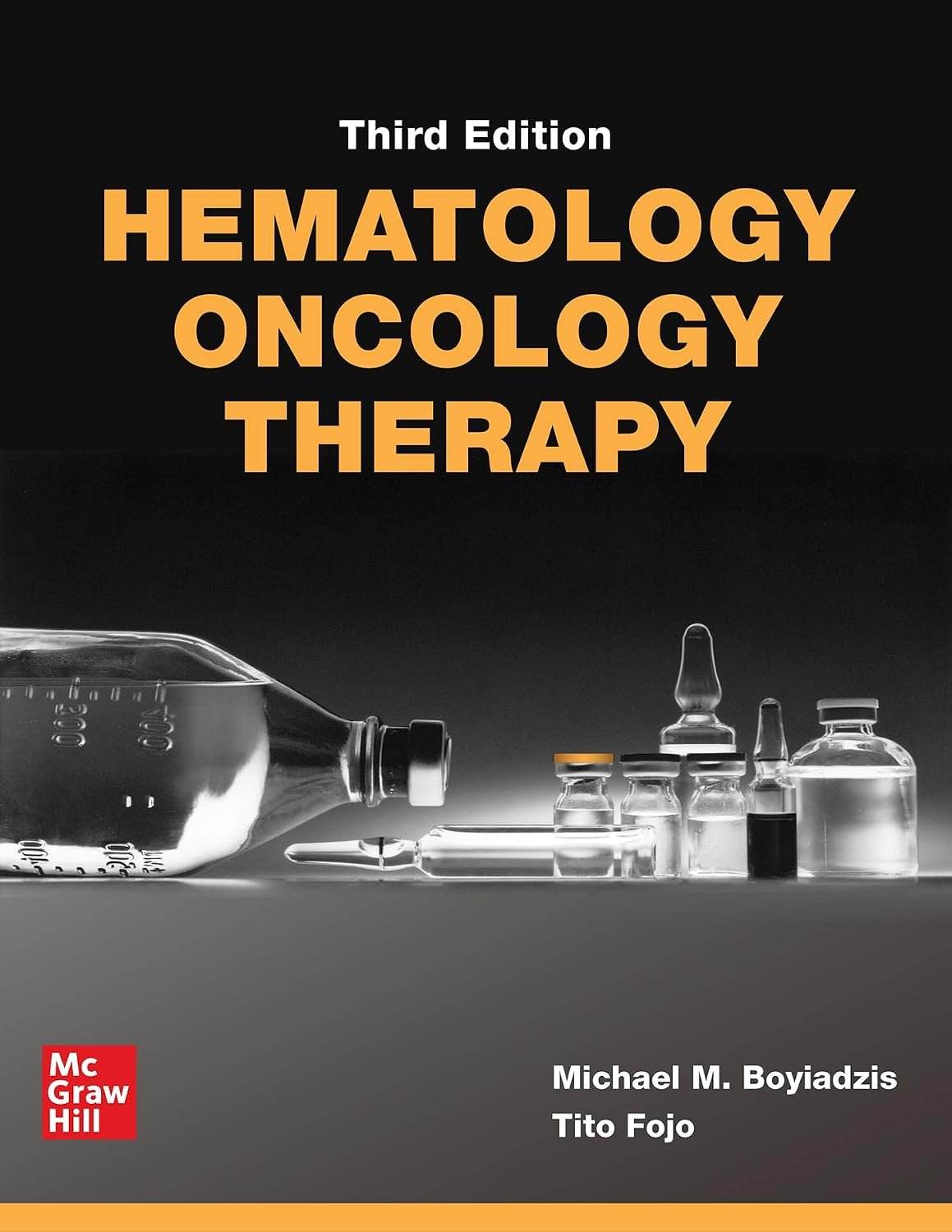
Hematology-Oncology Therapy, Third Edition — Book Description
Hematology-Oncology Therapy, Third Edition is a comprehensive educational resource focused on the principles, clinical approaches, and therapeutic strategies used in the management of hematologic disorders and cancer. Hematology and oncology are closely connected medical specialties that require an understanding of blood cells, bone marrow function, coagulation, immune responses, malignant transformation, tumor biology, and the rapidly developing field of cancer therapeutics. This book provides a broad foundation for understanding these complex areas and the clinical considerations involved in patient care.
Hematologic diseases can affect red blood cells, white blood cells, platelets, plasma proteins, bone marrow, lymphatic tissues, and other components of the blood and immune system. Some conditions are benign, while others may be malignant and require specialized treatment. Hematology-Oncology Therapy, Third Edition explores the principles used to evaluate these disorders and provides an organized perspective on therapeutic decision-making.
A major focus of the book is the evaluation of hematologic disorders. Accurate assessment often requires a combination of clinical history, physical examination, complete blood counts, peripheral blood examination, biochemical studies, bone marrow evaluation, imaging, and specialized laboratory investigations. Understanding how these findings fit together is essential for developing an appropriate diagnostic and therapeutic plan. The book connects laboratory information with clinical reasoning and disease management.
The text discusses a broad range of hematologic conditions, including disorders involving red blood cells, white blood cells, platelets, coagulation pathways, and bone marrow function. Anemia, for example, can result from nutritional deficiencies, chronic disease, blood loss, inherited conditions, or problems involving blood-cell production. Understanding the underlying mechanism is essential for determining appropriate management. The book provides a structured approach to these diverse disorders.
Another important area is hematologic malignancy. Cancers arising from blood-forming tissues and the lymphatic system include leukemias, lymphomas, plasma-cell disorders, and other related malignancies. These diseases can differ substantially in their biology, clinical presentation, progression, prognosis, and response to treatment. The book explores the general principles used to classify and manage these malignancies.
Leukemia represents an important component of hematologic oncology. These diseases involve abnormal blood-forming cells and may develop rapidly or progress more slowly depending on the specific type. Diagnosis and classification can involve blood studies, bone marrow examination, immunophenotyping, cytogenetic testing, and molecular investigations. The book discusses the importance of accurate classification in guiding treatment and monitoring.
The book also examines lymphomas, a diverse group of cancers involving lymphoid tissues. Lymphoma management can involve combinations of systemic therapy, immunologically directed treatments, radiation therapy, and other approaches depending on disease characteristics. The text emphasizes the importance of accurate diagnosis, staging, risk assessment, and individualized treatment planning.
Plasma-cell disorders, including multiple myeloma and related conditions, are another important area of hematologic oncology. These diseases can affect bone, kidneys, blood counts, immune function, and other organ systems. The book provides an educational overview of their clinical evaluation and therapeutic principles.
A significant portion of modern hematology-oncology involves systemic cancer therapy. Traditional chemotherapy remains an important treatment modality for many diseases, while newer therapeutic approaches have expanded the options available to patients. The book explains the general principles behind systemic treatment, including treatment selection, combination approaches, response assessment, monitoring, and management of treatment-related complications.
Targeted therapy has transformed the treatment of many hematologic and oncologic diseases. Rather than affecting rapidly dividing cells broadly, targeted therapies are designed to interfere with particular molecular pathways or abnormalities involved in disease development. Advances in molecular diagnostics have made it possible to identify certain biological characteristics that may influence therapeutic choices. The book explores the growing role of targeted approaches in modern hematology-oncology.
Another major development is immunotherapy. The immune system plays a central role in the recognition and control of abnormal cells, and modern treatments can harness or modify immune responses against malignant disease. Immunologically based treatments have expanded the therapeutic landscape for several cancers and hematologic malignancies. The book introduces the principles underlying these approaches and their place within contemporary cancer care.
The text also addresses hematopoietic stem cell transplantation, an important treatment strategy for selected hematologic diseases. Transplantation requires careful patient selection, preparation, monitoring, and management of potential complications. The book provides a broad educational perspective on the principles and clinical considerations associated with transplantation and cellular therapy.
Precision medicine and molecular oncology are increasingly important in hematology and cancer treatment. Patients with the same diagnostic category may have different molecular characteristics and may respond differently to therapy. Genomic and molecular testing can help identify disease-specific abnormalities and potentially guide treatment selection. The book explores the relationship between molecular information and individualized therapeutic strategies.
Another important component is supportive care. Patients receiving treatment for cancer or hematologic disease may experience complications involving blood counts, infections, nutrition, organ function, fatigue, and other aspects of health. Supportive care aims to reduce complications, improve treatment tolerance, and maintain quality of life. The book highlights the importance of managing the patient as a whole rather than focusing exclusively on the underlying disease.
Transfusion medicine and blood-related support may also play an important role in the care of patients with hematologic disorders and cancer. Blood-cell abnormalities and treatment-related effects can sometimes require careful evaluation of transfusion needs and compatibility. Safe and appropriate supportive strategies are an important part of comprehensive hematologic care.
The book discusses the importance of coagulation and bleeding disorders as well. Abnormalities in platelets or coagulation pathways can produce bleeding or other clinically significant problems. Understanding hemostasis and the mechanisms responsible for abnormal bleeding or clotting is essential when evaluating patients with hematologic conditions.
Treatment-related toxicity and complications are another major consideration in hematology-oncology. Anticancer therapies can affect multiple organ systems and may produce adverse effects that require monitoring and supportive management. Clinicians must balance the potential benefits of treatment with risks, patient-specific factors, and overall therapeutic goals. The book emphasizes careful monitoring and appropriate clinical decision-making.
The text also considers disease response and treatment monitoring. Modern oncology increasingly uses laboratory markers, imaging, molecular tests, clinical assessment, and other methods to determine whether a treatment is producing the desired response. Continuous monitoring can help clinicians evaluate treatment effectiveness and recognize disease progression or recurrence.
Multidisciplinary care is central to hematology-oncology. Patients may receive care from hematologists, medical oncologists, radiation specialists, surgeons, pathologists, radiologists, pharmacists, nurses, laboratory professionals, transplant teams, and other specialists. Effective communication and collaboration can help integrate diagnostic information and treatment options into a coherent patient-centered plan.
The book also recognizes the importance of patient-centered and supportive oncology care. Cancer and serious hematologic disease can affect physical health, emotional well-being, family life, and daily activities. Good clinical care therefore includes communication, symptom management, psychosocial support, treatment education, and attention to quality of life.
Evidence-based practice and clinical research are essential to the continuing development of hematology-oncology. New drugs, targeted therapies, immunotherapies, diagnostic technologies, and cellular treatments are continually being studied. Clinical trials help determine whether emerging approaches are safe and effective. The book encourages readers to understand the importance of scientific evidence when evaluating therapeutic options.
For medical students, residents, fellows, hematologists, oncologists, nurses, pharmacists, researchers, and other healthcare professionals, Hematology-Oncology Therapy, Third Edition provides a broad educational foundation for understanding the complex relationship between hematologic disease and cancer treatment. Its multidisciplinary perspective helps readers connect disease biology, diagnosis, treatment, monitoring, and supportive care.
Ultimately, modern hematology-oncology depends on the integration of accurate diagnosis, disease classification, molecular understanding, individualized treatment, supportive care, careful monitoring, and multidisciplinary collaboration. Advances in genetics, immunology, targeted treatment, cellular therapy, and precision medicine continue to expand therapeutic possibilities.
Hematology-Oncology Therapy, Third Edition offers readers an extensive overview of these principles and provides a valuable framework for understanding contemporary approaches to hematologic disease and cancer therapy. By connecting foundational knowledge with modern therapeutic concepts, the book supports continued learning in a field that is rapidly changing and increasingly personalized. It is an informative resource for anyone seeking a deeper understanding of the science and clinical practice behind modern hematology-oncology care.


Reviews
There are no reviews yet.